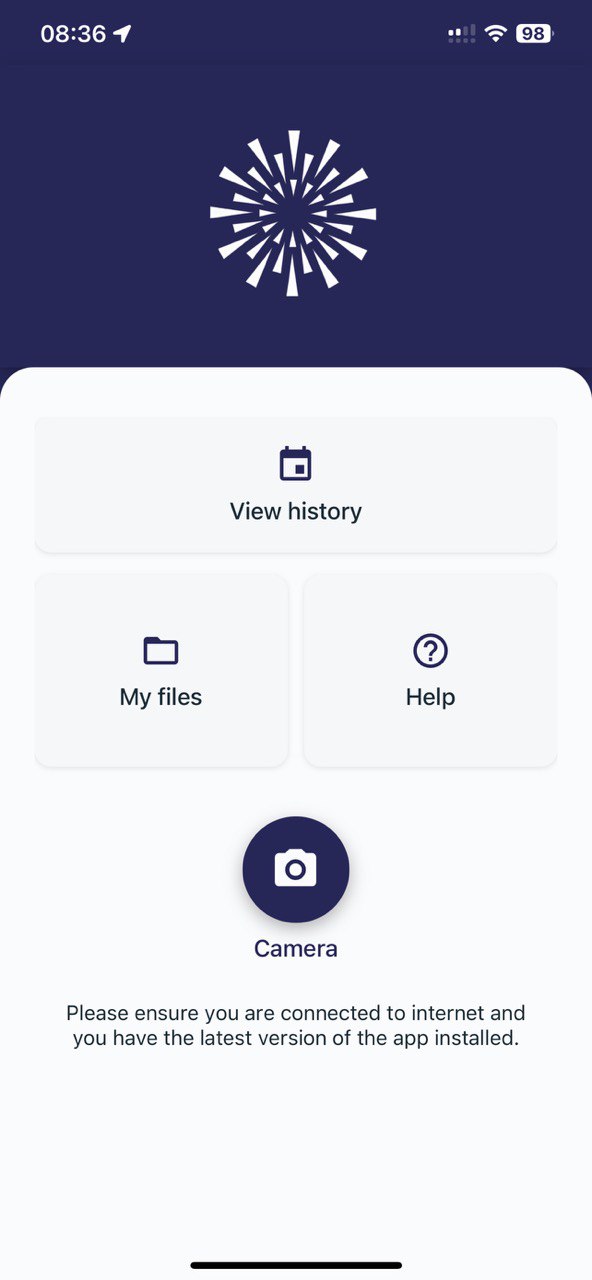
Transform your smartphone into a sophisticated microscopic analysis tool. Fast identification and quantitative analysis of microplastics in water, air, and marine environments with AI support.
Trusted by researchers and institutions worldwide
From accurate sampling to precise identification — MicroTrack combines specialized hardware devices with AI-powered mobile analysis.
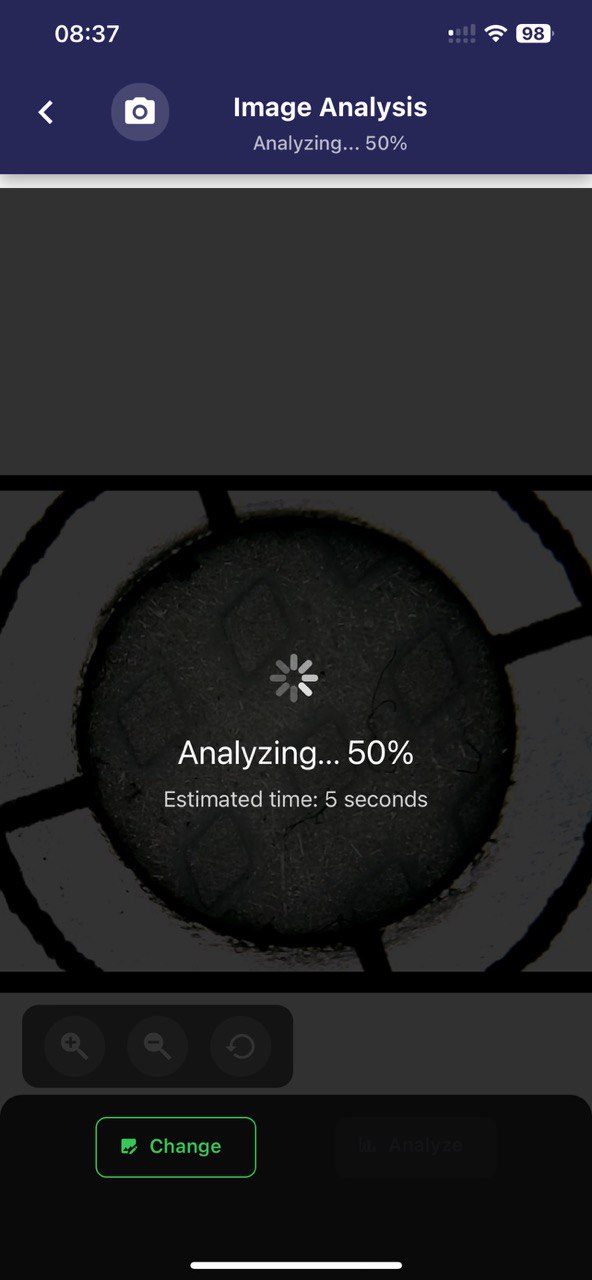
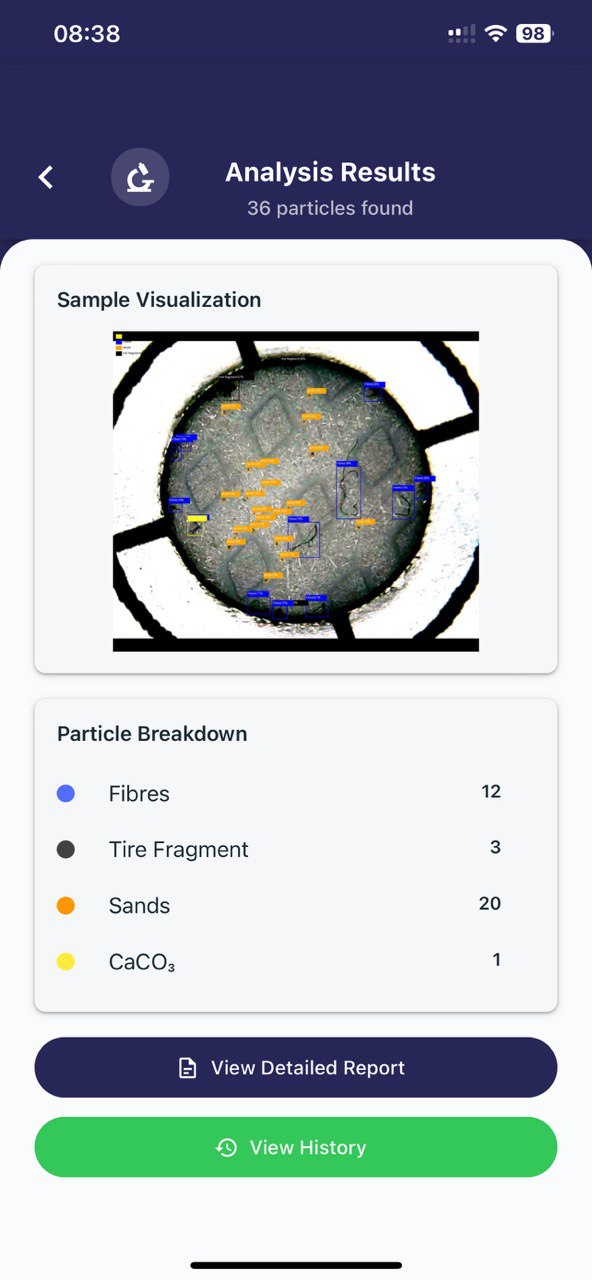
AI algorithms detect and classify microparticles instantly, providing immediate results in the field.
Learn moreComprehensive particle size, concentration measurements, and statistical analysis with confidence intervals.
Learn moreMulti-sample batch processing and comparison tools for efficient monitoring campaigns.
Learn moreGenerate comprehensive reports that meet academic and regulatory standards, ready for publication.
Learn moreHigh-resolution image capture and enhancement for detailed analysis and documentation.
Learn moreSeamless integration with laboratory information management systems for workflow automation.
Learn moreA streamlined workflow from field sampling to verified results
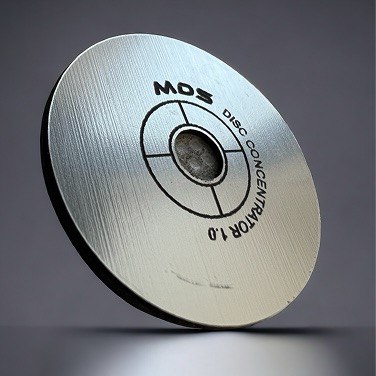
Assemble membrane filter disc in clean chamber. Choose appropriate membrane type (PE, nylon, PP) and pore size (1–50 µm) for your environment.
Use SDW01 (water), SDAIR02 (air), or SDSW03 (marine) sampling device. Record metadata: volume, depth, GPS coordinates, time.
Attach microscope adapter to smartphone. Capture 4K images of the membrane surface. Multiple frames for comprehensive coverage.
Automated detection, segmentation, and classification. Particle counting, size distribution, morphology analysis. Results in seconds.
Export annotated images, tables, graphs. CSV/JSON/PDF formats. LIMS integration available. Ready for publication or regulatory submission.
Laboratory verification with FTIR, Raman, or SEM-EDX for critical cases. QA/QC confirmation of polymer types and composition.
MicroTrack is built on peer-reviewed research published in Green Energy and Environmental Technology (2025). Our methodology is transparent, validated, and continuously improving.
Typical particle type distribution based on analyzed samples
Polymer type identification through infrared absorption patterns
Molecular composition analysis for material verification
High-resolution imaging and elemental composition analysis
Verified samples feed back into training set, improving accuracy
Accurate samples are the foundation of reliable analysis. Our specialized devices ensure contamination-free collection across multiple environments.
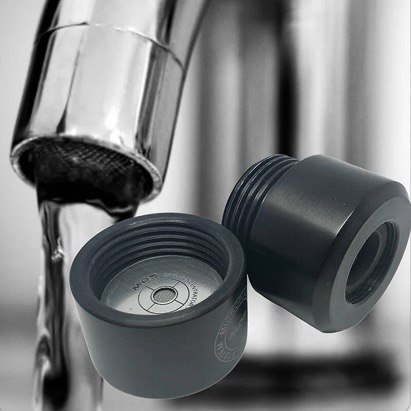
Stainless steel device for tap water sampling. Mounts on standard faucets after removing aerator.
Active air sampling through membrane with controlled volume and exposure time. Ideal for indoor and outdoor air quality monitoring.
Underwater drone module for marine sampling. Depth profiling up to 100m with GPS tracking and flow control.
General purpose, hydrophobic
Recommended for tap water (1 µm)
Optimal for air sampling
Assess microplastic contamination in drinking water, surface water, marine environments, and air quality. Track pollution sources and trends.
Manufacturing and production QC. Monitor water and air on-site. Document compliance with environmental standards.
Field campaigns, laboratory studies, educational demonstrations. Fast preliminary analysis to guide sampling strategy.
Generate reports that meet regulatory and academic standards. Export formatted data for submissions and audits.
Rapid on-site assessment to make informed decisions. Identify hotspots before committing to lab analysis.
Provide clients with immediate preliminary results. Professional reports, global collaboration tools.
Transparent pricing that scales with your research needs
For education and demos
For teams and projects
For research labs & institutions
All plans include access to mobile apps (iOS & Android). Enterprise pricing includes hardware devices.
Current AI classification accuracy is approximately 62% on our validation dataset, with continuous improvement as we expand our training base beyond 4,000 samples. For critical applications, we recommend laboratory verification using FTIR, Raman, or SEM-EDX methods.
Detection of particles smaller than 1 µm is limited in field conditions with smartphone microscopy. Our system is optimized for microplastics in the 1–50 µm range. For nanoplastic analysis, specialized laboratory equipment is recommended.
Yes, MicroTrack requires a smartphone microscope adapter for optimal results. We recommend adapters that support 4K image capture. Compatible models and recommendations are available in our documentation.
Yes! Basic AI analysis runs on-device, so you can perform analyses in the field without internet connectivity. Cloud sync, model updates, and advanced features require an internet connection.
Yes, Pro and Enterprise plans include LIMS integration via API. We support standard formats (CSV, JSON, XML) and can configure custom connectors for your specific laboratory information management system. Contact our team for integration support.
MicroTrack supports tap water, bottled water, surface water, marine environments (up to 100m depth), and air quality monitoring. Each environment uses specific sampling devices (SDW01, SDAIR02, SDSW03) and optimized membrane filters.
All devices are factory-calibrated and tested. Enterprise customers receive on-site calibration and training. We provide calibration verification protocols and recommend periodic validation using reference standards.
Export options include PDF reports, CSV data tables, JSON for API integration, and COCO/Pascal VOC/YOLO formats for annotation datasets. High-resolution annotated images are included in all exports.
Complete methodology for contamination-free sample collection across all environments
Recommendations for disc preparation, clean room procedures, and quality control
Innovative Detection and Identification of Microfibres (2025, CC BY 4.0)
Sample analysis reports with annotated images, statistics, and export formats
RESTful API reference for LIMS integration and custom workflow automation
Step-by-step video guides for device setup, sampling, and app usage
Let's discuss how MicroTrack fits your research needs. Our team will help you choose the right configuration and answer any technical questions.
Download MicroTrack today and start analyzing microplastics with AI precision